Plastic Card Printers: Compare Top Models Brands
Table of Contents []
- Why Serious Organizations Trust Plastic Card ID for Plastic Card Printers
- Understanding the Plastic Card Printer Landscape: Models and What They Do
- Ribbons, Consumables, and the Hidden Costs of Running a Card Program
- Encoding Upgrades: Magnetic Stripe, Smart Chip, and What Your Cards Can Do
- Industries and Applications: Who Uses Plastic Card Printers and Why
- Buyer's Guide: How to Choose the Right Plastic Card Printer for Your Organization
- Get the Right Plastic Card Printer from Plastic Card ID Today
Why Serious Organizations Trust Plastic Card ID for Plastic Card Printers
 Walk into almost any office, university, hospital, or hotel in America and you'll find a plastic card doing real work - opening a door, verifying an identity, logging a loyalty point, or credentialing a visitor. Behind nearly every one of those cards is a decision someone made about which printer to buy and who to trust for the hardware. That decision matters more than most people realize, and it's exactly the kind of decision Plastic Card ID has been helping businesses make for over 25 years.
With more than 100,000 customers served across the United States, CPE isn't a newcomer piecing together a catalog from whatever's available. The lineup here is curated, professional-grade, and purpose-built for organizations that take their card programs seriously. Whether you're printing 200 employee badges a year or processing thousands of event credentials in a single afternoon, the right printer changes everything about how your operation runs.
Plastic card printers are precision instruments, and choosing one without expert guidance is a surprisingly easy way to end up with hardware that bottlenecks your workflow, burns through consumables inefficiently, or simply fails to meet the quality standard your cards demand. That's why having a supplier with genuine depth of experience - one that stocks printers, ribbons, cleaning kits, encoding upgrades, and every supporting consumable - makes a measurable difference from day one.
A Curated Lineup Built Around Real Production Needs
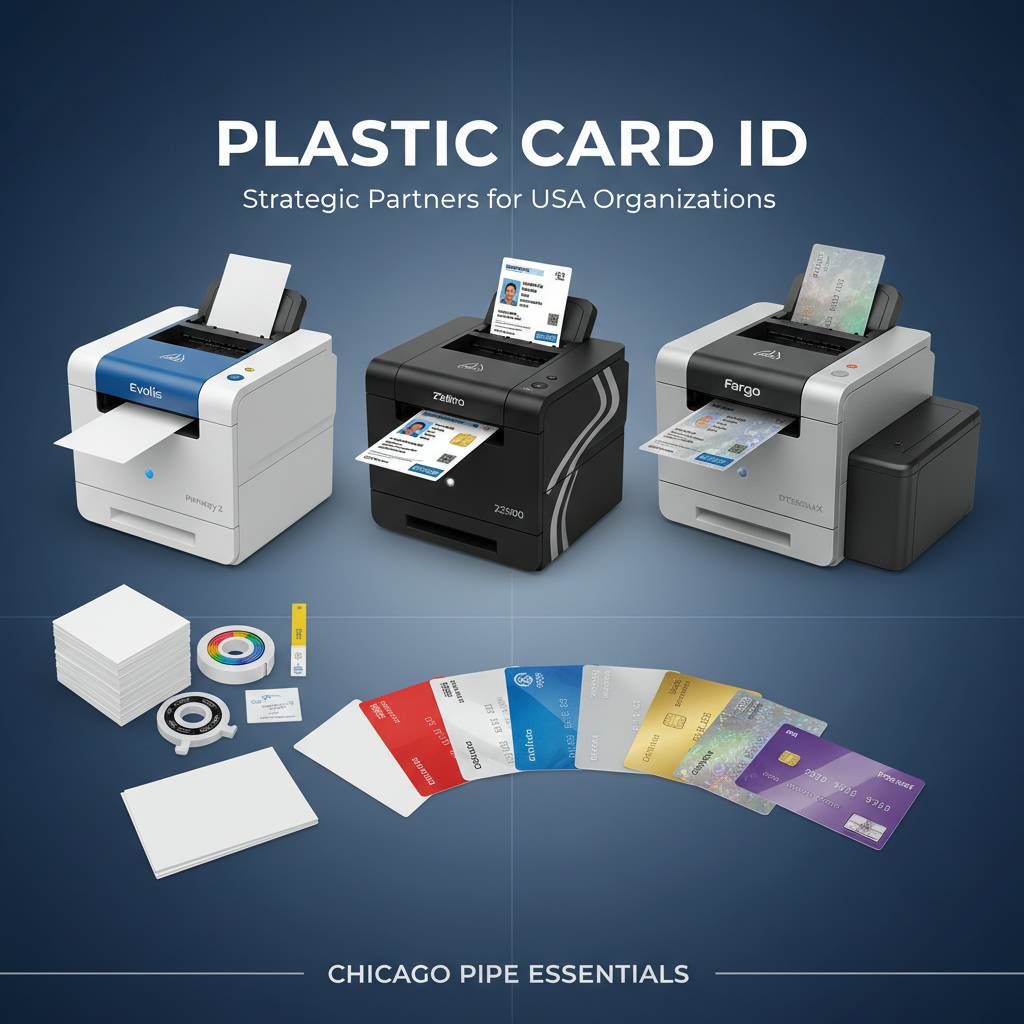
The brands carried by Plastic Card ID - Evolis, Fargo, Zebra, and Matica - represent the upper tier of the plastic card printer industry. These aren't budget imports or rebranded generics. Each manufacturer has earned its place in professional ID programs through engineering quality, reliable firmware, and a proven track record across diverse industries. When you're comparing models, you're comparing serious options.
Evolis brings an unusually broad product range, from the entry-level Badgy200 all the way up to the high-output Agilia. Fargo and Zebra deliver robust performance with strong security feature support, making them natural fits for access control and government-adjacent ID programs. Matica rounds out the lineup with its Event Printer, a specialized unit engineered for rapid, high-volume on-site badge production. Together, these brands cover every realistic card printing scenario a business might face.
What 25 Years of Experience Actually Means for You
Experience in this industry translates directly into better purchasing guidance, faster troubleshooting, and smarter consumable recommendations. CPE has watched card printing technology evolve through multiple generations of hardware and has helped customers navigate every iteration - single-sided to dual-sided, magnetic stripe to smart chip, basic YMCKO ribbons to specialty lamination overlays. That institutional knowledge lives in every product recommendation made here.
It also means the catalog has been stress-tested. Products that failed in the field didn't survive in the lineup. What remains is a selection that has proven itself across real-world use cases: school districts printing thousands of student IDs, hotels encoding key cards at check-in, manufacturers issuing access control badges to large workforces, and event organizers credentialing hundreds of attendees under tight time pressure.
The Business Case for In-House Card Printing
Owning your card printing capability is one of the most practical investments a growing organization can make. The alternatives - outsourcing card production to a third-party vendor, ordering in bulk and hoping your data doesn't change - introduce lead times, minimum order quantities, and a fundamental loss of control over your own data and personalization. In-house printing eliminates every one of those friction points.
Print on demand. Update an employee's access level and reprint their card the same day. Encode a new batch of loyalty cards mid-campaign without waiting two weeks for a vendor to deliver. Add a magnetic stripe to a subset of cards and leave the rest without. The flexibility that comes with owning a plastic card printer isn't just convenient - it's a genuine operational advantage that compounds over time as your card program grows and evolves.
Understanding the Plastic Card Printer Landscape: Models and What They Do
| Printer Model | Brand | Best For | Approx. Volume Range |
|---|---|---|---|
| Badgy200 | Evolis | Small offices, low-volume programs | Up to 1,000 cards/year |
| Zenius | Evolis | Mid-range single-sided printing | 1,000-6,000 cards/month |
| Primacy2 | Evolis | Dual-sided, magnetic stripe encoding | 1,000-6,000 cards/month |
| Agilia | Evolis | Premium edge-to-edge output | High-volume, top-tier quality |
| Fargo Series | Fargo | Security ID programs | Mid to high volume |
| Zebra Series | Zebra | Enterprise ID and access control | Mid to high volume |
| Event Printer | Matica | On-site event badging | High-speed burst production |
Entry-Level Printers: Starting Smart Without Starting Small
The Evolis Badgy200 is the kind of printer that earns its place in a small organization's budget without making compromises that come back to haunt you later. Designed for programs printing fewer than 1,000 cards per year, it handles full-color card production with a quality that would have required expensive outsourcing just a decade ago. For nonprofits, small membership clubs, boutique gyms, or startup businesses issuing their first loyalty cards, this is a logical, practical starting point.
Entry-level doesn't mean low quality in this context - it means appropriately matched hardware. Running a Badgy200 in a high-volume environment would be the wrong tool for the job, just as deploying an industrial printer for 50 cards a month would be overkill. The key is honest assessment of your actual production needs, which is exactly the kind of guidance CPE provides when helping customers select their first printer.
Mid-Range Workhorses: The Evolis Zenius and Primacy2
The Evolis Zenius and Primacy2 occupy the center of the card printing market for good reason - they hit the production sweet spot for a wide range of organizations. Handling 1,000 to 6,000 cards per month, these units are designed for sustained, professional operation. The Zenius focuses on single-sided printing with reliability and speed, while the Primacy2 adds dual-sided capability and magnetic stripe encoding options that significantly expand what your card program can accomplish.
Magnetic stripe encoding opens an entirely different functional world for card programs. Hotel key cards, access control systems, loyalty programs that integrate with point-of-sale readers - all of these depend on encoded data that most entry-level printers cannot produce. The Primacy2 brings that capability in-house, meaning your organization can issue, update, and replace encoded cards on its own schedule without relying on external vendors for that critical step.
Premium and High-Throughput Options: Agilia and Matica Event Printer
The Evolis Agilia represents what happens when engineering prioritizes output quality above nearly everything else. Edge-to-edge printing, premium resolution, and the kind of finish that makes a card feel like a professional credential rather than a printed plastic rectangle - these are the hallmarks of the Agilia. Organizations that need their cards to project authority and professionalism, from corporate ID programs to high-end membership credentials, will find the Agilia's output speaks for itself.
The Matica Event Printer serves an entirely different but equally demanding scenario: the event environment. When you need to credential hundreds of attendees at a conference registration desk, or issue badges rapidly at a trade show, speed and reliability under pressure are the metrics that matter. The Matica Event Printer is engineered specifically for that high-intensity, time-compressed production environment where a slow printer doesn't just cause inconvenience - it creates a line and a problem.
Ribbons, Consumables, and the Hidden Costs of Running a Card Program

YMCKO Ribbons and Why Ribbon Choice Matters More Than You Think
Color card printing depends on the ribbon, and not all ribbons are created equal. YMCKO ribbons - Yellow, Magenta, Cyan, blacK, and Overlay - are the standard for full-color card production, applying color in sequential panels before adding a protective overlay that dramatically extends card durability and color vibrancy. Using off-brand or improperly matched ribbons in a professional printer is one of the fastest ways to degrade print quality and potentially damage print heads.
Plastic Card ID supplies genuine ribbons matched to the specific printer models in the lineup. This isn't a minor detail. Print head replacement is one of the most significant maintenance costs in card printing, and proper ribbon compatibility directly affects how long your print head lasts. Sourcing ribbons through the same supplier as your printer means you're getting the right product, not a cheap approximation that costs more in the long run.
Monochrome and Specialty Ribbons for Specific Applications
Not every card needs full-color printing. Monochrome ribbons - available in black, blue, gold, silver, and other single-color options - produce clean, sharp output for applications where color isn't required: text-heavy ID cards, simple membership credentials, or cards where the design is handled by pre-printed card stock. Monochrome ribbons also print significantly more cards per ribbon panel, reducing per-card consumable costs when color isn't necessary.
Specialty ribbons address specific production requirements that standard YMCKO panels can't cover. UV-fluorescent panels add security features that are invisible under normal light but visible under ultraviolet inspection - a meaningful deterrent against counterfeiting for government IDs, event credentials, and high-security access cards. CPE stocks the specialty ribbon options that match the security and aesthetic demands of professional card programs.
Cleaning Kits, Lamination, and Keeping Your Printer Running Right
Regular cleaning is non-negotiable for professional card printers. Dust, debris, and ribbon residue accumulate on rollers and print heads with normal use, and neglecting cleaning maintenance shortens printer life and degrades print quality in ways that are gradual enough to miss until the damage is done. A disciplined cleaning routine - using the manufacturer-recommended cleaning kits available through Plastic Card ID - is simply the lowest-cost insurance policy for your hardware investment.
Lamination modules add a physical overlay to printed cards that provides substantial protection against abrasion, UV fading, and physical wear. For cards that are handled frequently - employee IDs worn on lanyards, hotel key cards inserted and removed dozens of times, student IDs carried in wallets - lamination extends the functional lifespan of each card significantly. The lamination modules compatible with select printers in the lineup integrate directly into the printing workflow, adding that protection without requiring a separate manual step.
Encoding Upgrades: Magnetic Stripe, Smart Chip, and What Your Cards Can Do
Magnetic Stripe Encoding Explained
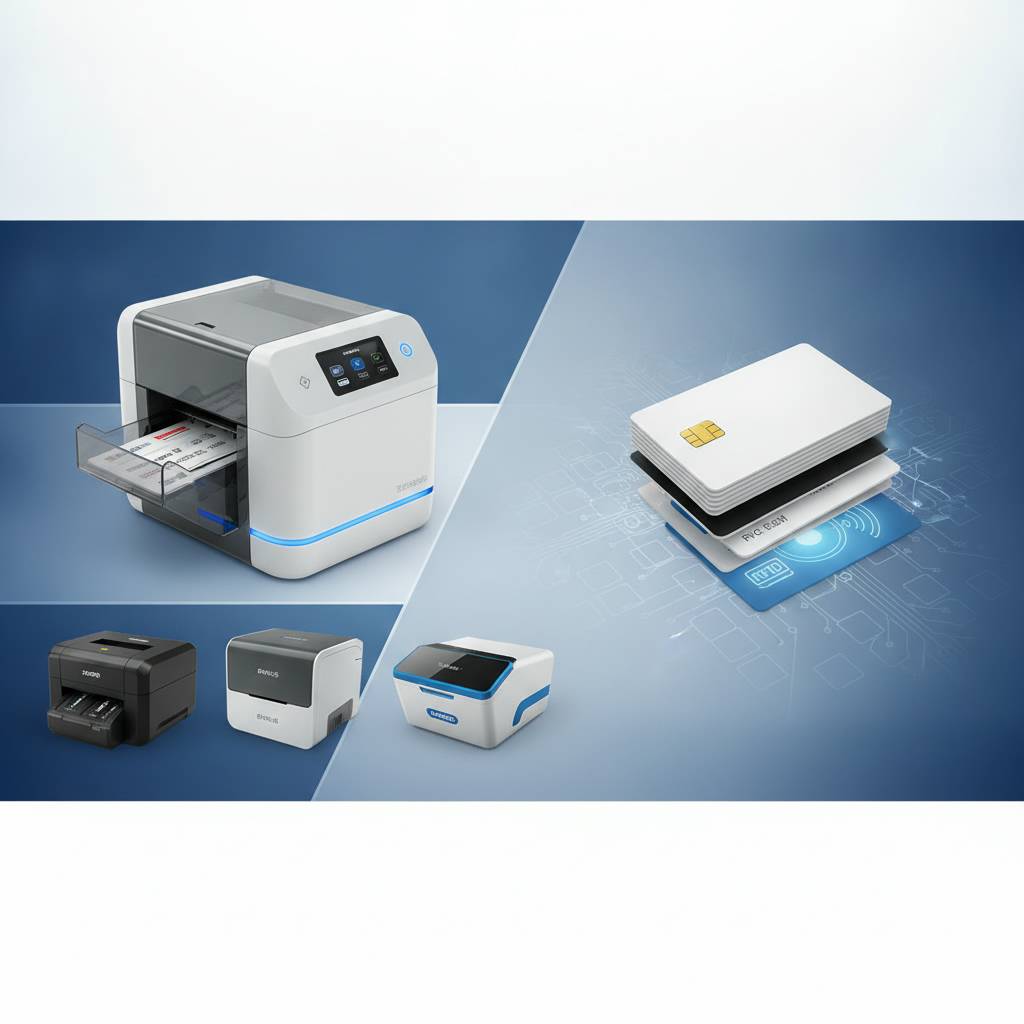
A magnetic stripe on a plastic card isn't decoration - it's functional data storage that enables your card to interact with readers, terminals, and access control systems. Magnetic stripe encoding upgrades available for compatible printers in the CPE lineup allow organizations to write data to standard magnetic stripes in HiCo or LoCo formats during the printing process, producing a finished, functional card in a single pass through the printer.
The applications are practical and broad. Hotel properties encoding key cards for guest room access. Employers building card-based timekeeping or cafeteria payment systems. Gyms issuing membership cards that interact with entry gate readers. Loyalty programs writing member account numbers to cards that are read at checkout. Magnetic stripe capability transforms a printed card into an active participant in your operational systems, and having that capability in-house rather than outsourced is a meaningful efficiency gain.
Smart Chip Encoding and Contact Card Production
Smart chip encoding represents the next level of card functionality, storing significantly more data than a magnetic stripe and supporting more sophisticated authentication protocols. Contact smart card encoding upgrades allow compatible printers to program chip cards during the card personalization process, producing credentials suitable for logical access control, secure facility entry, campus card programs, and other applications requiring strong authentication.
Organizations currently operating contact smart card programs - or planning to build one - benefit enormously from in-house encoding capability. Each card can be personalized and programmed in a single production step, with data written directly from your own systems, on your own timeline. No batching cards for an outside vendor, no waiting for a shipment of pre-encoded blanks that may or may not match your current roster.
Input Hoppers and Card Carriers: Operational Accessories That Matter
High-volume card printing operations benefit from input hopper upgrades that significantly increase the number of blank cards that can be loaded into a printer at once, reducing the frequency of manual reloading during long production runs. For organizations running large badge batches - school districts issuing IDs at the start of the academic year, for example - hopper capacity directly affects how attended the print run needs to be.
Card carriers and sleeves protect finished cards from damage during distribution and storage, preserving the investment in print quality through handling and transport. These aren't optional niceties for programs where card appearance matters - they're the final step in delivering a credential that looks as professional when it reaches its recipient as it did when it came off the printer. Plastic Card ID stocks these operational accessories alongside the hardware and consumables that complete every card program.
Industries and Applications: Who Uses Plastic Card Printers and Why
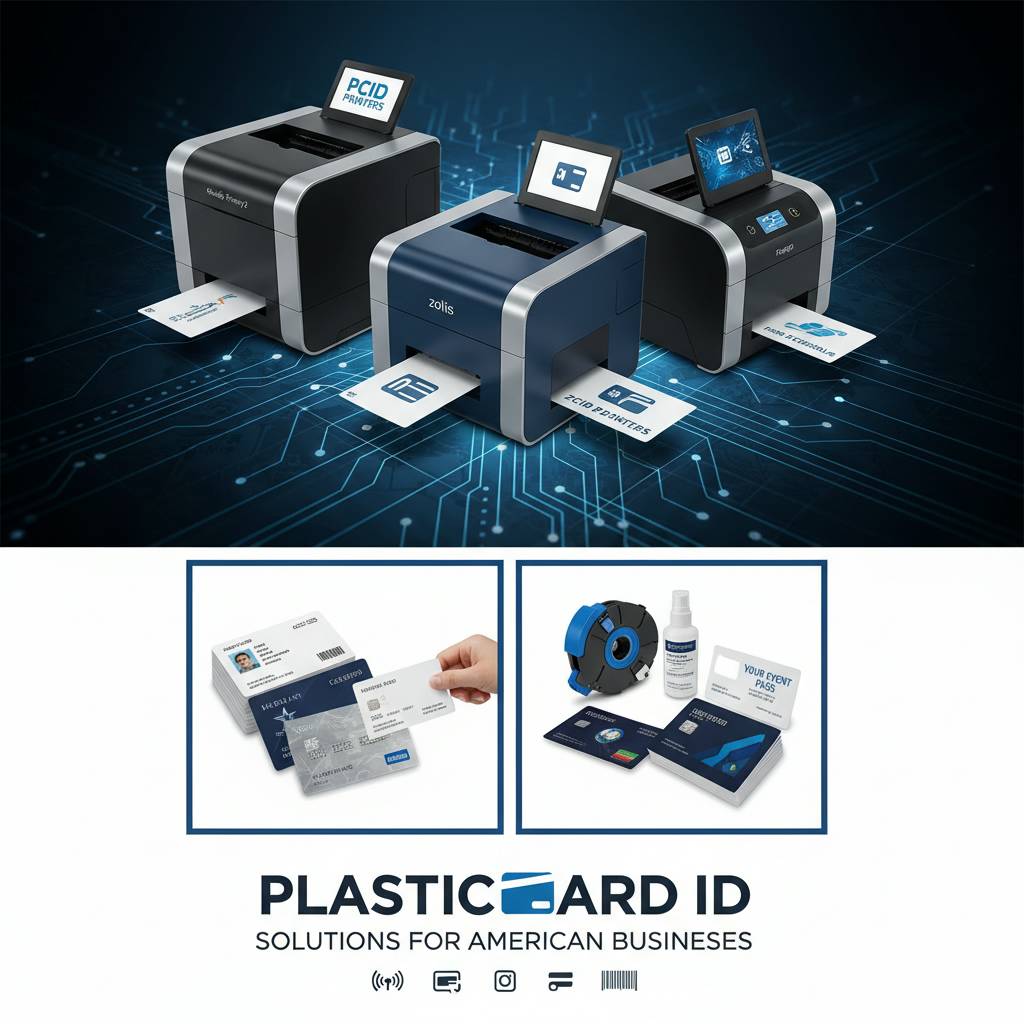
Employee ID and Access Control Programs
The employee ID card is one of the most common applications for in-house plastic card printing, and for good reason. Workforce composition changes constantly - new hires, departures, role changes, department transfers. Organizations that print their own employee ID cards can respond to those changes the same day, issuing a new card when someone joins and deactivating or replacing cards when circumstances change. Outsourcing that process to an external vendor introduces delays that don't fit modern workforce dynamics.
Access control adds another layer of functional importance to the employee card. Magnetic stripe or smart chip encoding allows the same card that identifies an employee to also serve as their door credential, time-clock token, or parking access pass. Consolidating multiple functions onto a single in-house-printed card reduces administrative complexity and gives organizations direct control over the data written to each credential.
Membership, Loyalty, and Student ID Programs
- Gyms, fitness clubs, and recreational facilities issuing membership cards that integrate with entry systems or class scheduling software
- Retail loyalty programs encoding member account numbers directly onto cards for reader-based point-of-sale interaction
- Universities and K-12 schools producing student ID cards for cafeteria payment, library access, and campus gate entry
- Professional associations and trade organizations issuing credential cards to members and certified practitioners
- Museums, zoos, and cultural institutions producing membership cards for recurring visitor access programs
Each of these programs benefits from in-house printing for the same fundamental reason: the ability to print, personalize, and issue cards on demand, without minimum order constraints or vendor lead times. When a student loses their ID, you reprint it today. When a loyalty member updates their contact information, you issue them a fresh card at their next visit. That responsiveness is built into the operational model when you own your printing capability.
Hotel Key Cards and Event Credentialing
Hotel properties have long relied on in-house card encoding for guest room key cards, and the addition of on-site printing capability allows properties to brand those cards with current promotions, room numbers, or guest name personalization - details that static pre-printed blanks can't accommodate. The operational efficiency gained from printing and encoding key cards in a single step at the front desk is a tangible time savings per check-in across thousands of guest arrivals annually.
Event credentialing presents a different production challenge: the need to print and issue large volumes of badges rapidly, on-site, under real-time pressure. The Matica Event Printer addresses this scenario directly, delivering the throughput speed that conference organizers, trade show managers, and event producers need when a line of attendees is waiting at registration. Having the right hardware for that specific use case isn't optional - it's the difference between smooth event entry and a credentialing bottleneck that sets the wrong tone from the first moment.
Buyer's Guide: How to Choose the Right Plastic Card Printer for Your Organization
Assessing Your Volume, Features, and Budget Requirements
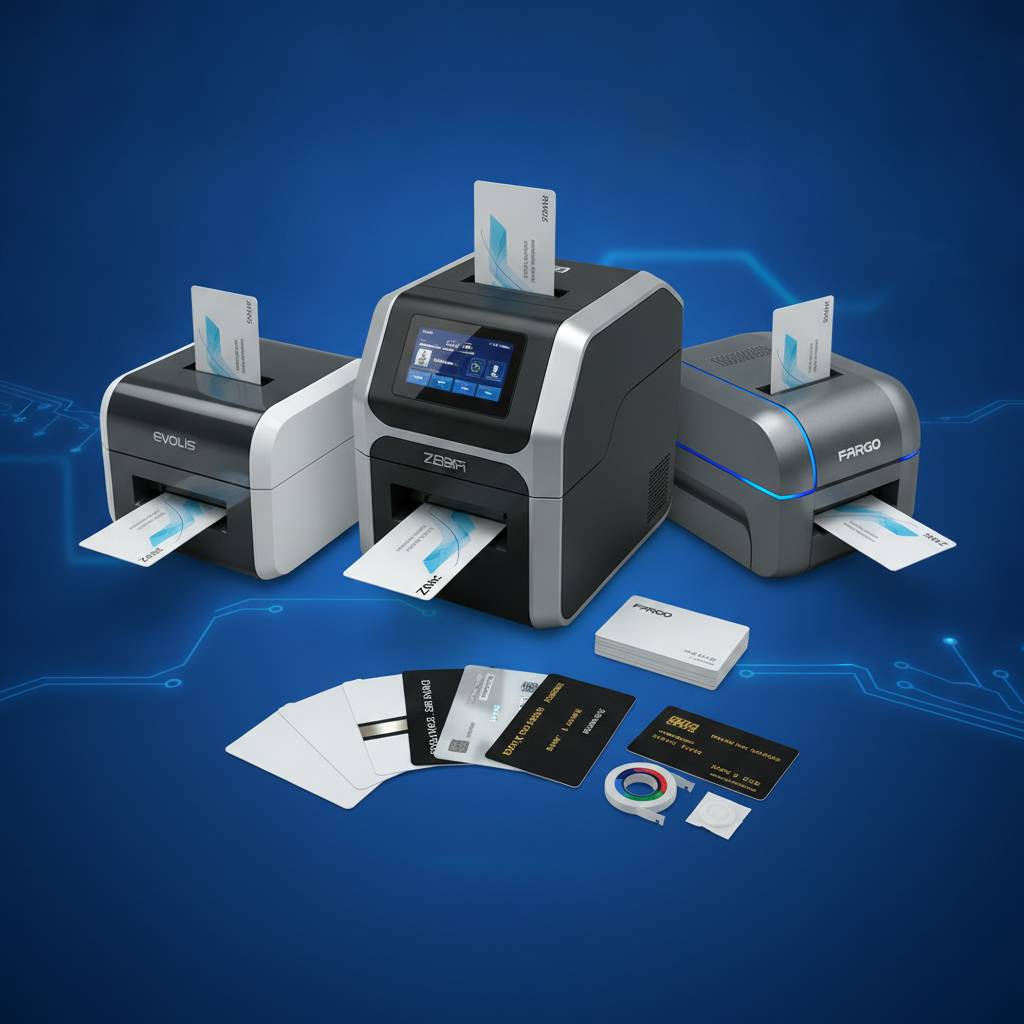
The single most important variable in selecting a plastic card printer is honest volume assessment. Underestimate your needs and you'll be replacing a printer sooner than planned; overestimate and you'll be paying for capacity you never use. Start with a realistic annual card count, factor in growth projections, and then look at which printer tier your volume puts you in. The model lineup at Plastic Card ID is organized specifically to make this matching process straightforward.
Feature requirements come next. Do your cards need dual-sided printing? Magnetic stripe encoding? Smart chip programming? Lamination? Each of these capabilities either comes standard or is available as an upgrade on specific models, and getting this right before you buy is far less expensive than retrofitting or replacing hardware later. Being specific about your functional requirements upfront is the most effective way to avoid a costly mismatch.
Total Cost of Ownership: Beyond the Printer Price Tag
The purchase price of a plastic card printer is only the beginning of the financial picture. Ribbons, cleaning kits, and replacement consumables are ongoing costs that vary significantly by printer model and production volume. A printer with a lower purchase price but higher per-card ribbon cost may end up more expensive over three years of operation than a model with a higher initial price and more efficient ribbon utilization. CPE can help you run those numbers before you buy.
Print head lifespan is another factor that belongs in the total cost calculation. Print heads wear with use and must eventually be replaced - a cost that varies by model. Proper ribbon selection and consistent cleaning maintenance extend print head life substantially, which is one more reason why sourcing consumables from a knowledgeable supplier rather than chasing the cheapest option online pays dividends over the life of your hardware. Call us at 800.835.7919 to walk through the total cost picture for any printer you're considering.
Common Questions Before the First Purchase
First-time buyers often wonder whether their existing design software will work with the printer they're considering. Most professional card printers in the CPE lineup are compatible with standard ID card design software and include their own bundled software for basic card creation - making the entry point for a new card program more accessible than many organizations expect. Your IT team won't need to build a custom integration to get a basic program running.
Another frequent question concerns the cards themselves: whether standard CR80 blank PVC cards are what these printers require, and where to source them. The answer is yes - the standard credit-card-sized CR80 format is what every printer in this lineup is designed for, and Plastic Card ID supplies blank card stock alongside all other program consumables. Starting a card program doesn't require sourcing materials from multiple vendors; everything needed to run the operation is available from a single, experienced supplier.
Get the Right Plastic Card Printer from Plastic Card ID Today
Everything Your Card Program Needs, From One Supplier
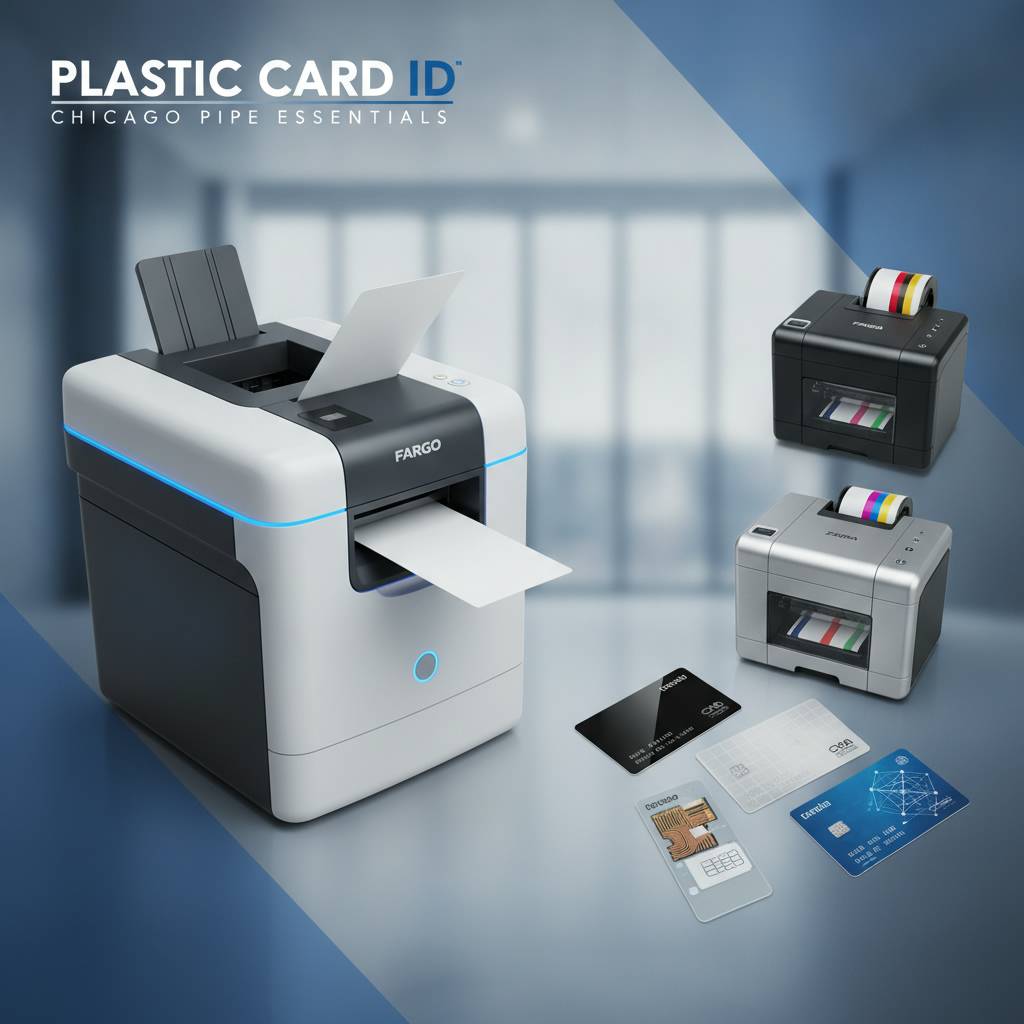
Running a successful card program requires more than a printer. It requires ribbons that match your hardware, cleaning supplies that protect your print head, card stock that runs cleanly through your feeder, and encoding upgrades that extend your card's functionality. The advantage of sourcing all of these through Plastic Card ID is consistency - every product in your program is matched, tested, and supported by a supplier with 25 years of experience in exactly this category.
That depth of catalog also means you won't find yourself navigating compatibility questions alone. Whether you're expanding an existing program with a new encoding upgrade, replacing consumables for a printer you've owned for years, or building a card program from the ground up for the first time, CPE has the products and the expertise to support every step of that process. Over 100,000 customers across the United States have made this supplier their card program partner - that's not an accident.
Speaking With Someone Who Knows This Category
Plastic card printers are specialized equipment, and the decision to buy one deserves a conversation with someone who knows the technology, the brands, and the real-world application landscape. Plastic Card ID has maintained that expert knowledge base for over a quarter century, and it's available to every customer who picks up the phone. You don't have to figure out which printer is right for your organization by reading spec sheets alone.
Reach the team at Plastic Card ID by calling 800.835.7919 - and start your card program the right way, with the right hardware, from the right supplier. Whether you know exactly what you need or are just beginning to explore what in-house card printing would look like for your organization, the conversation is worth having. Expert guidance costs nothing, and the difference it makes in your purchasing decision is real.
Call 800.835.7919 today and let Plastic Card ID match your organization with the plastic card printer that fits your volume, your features, and your budget - backed by 25 years of expertise and a catalog built to support your entire card program.
Best Plastic Card Printers for ID & Business Cards
Previous Page