Plastic Card Printer for Membership Cards: Complete Guide
Table of Contents []
- Why Plastic Card ID Is the Go-To Source for Membership Card Printing
- Choosing the Right Plastic Card Printer for Membership Cards
- Supplies That Keep Membership Card Programs Running
- Membership Card Applications Across Industries
- Frequently Asked Questions About Membership Card Printers
- Buyer's Tips: Getting the Most From Your Card Printing Investment
- Connect With Plastic Card ID for Your Membership Card Printing Needs
Why Plastic Card ID Is the Go-To Source for Membership Card Printing
 Most organizations discover the hard way that outsourcing membership card production creates delays, limits personalization, and chips away at brand consistency over time. Taking control of your card program in-house changes everything. With the right plastic card printer for membership cards, you print exactly what you need, exactly when you need it - no minimum orders, no waiting weeks for a vendor to ship.
Plastic Card ID has spent over 25 years supplying professional-grade card printing hardware to businesses, nonprofits, gyms, clubs, associations, and institutions across the United States. With more than 100,000 customers served, the expertise here isn't theoretical - it's built on real-world printing programs across virtually every industry that issues membership credentials.
Whether you're running a small community gym issuing a few hundred cards per year or managing a regional association distributing thousands of personalized membership cards each month, there's a printer in this lineup built precisely for your production scale and quality requirements. The question isn't whether in-house printing makes sense - it's which system fits your operation best.
The Case for In-House Membership Card Printing
Handing off card production to an outside vendor means surrendering control. Lead times stretch. Reprints cost extra. Urgent replacements become expensive headaches. Printing membership cards in-house eliminates every one of those friction points. You encode magnetic stripes on the spot, personalize each card with member names and photos, and replace lost cards the same day they're reported.
The operational math is straightforward. Once a printer and supply stock are in place, the per-card cost drops significantly compared to recurring vendor orders. Staff can print single cards or batch runs without scheduling around a vendor's production calendar. That kind of agility matters when membership programs are active, growing, and constantly changing.
A Trusted Partner With Deep Inventory
Printers alone don't run a card program. Ribbons run out. Cleaning kits prevent costly print head damage. Encoding modules unlock magnetic stripe or smart chip functionality. Plastic Card ID stocks everything - YMCKO color ribbons, monochrome ribbons for single-color runs, lamination overlays for extra card durability, input hoppers for higher-volume batch printing, and card carriers and sleeves to protect finished credentials.
Having a single supplier for hardware and consumables simplifies purchasing dramatically. No juggling multiple vendors, no compatibility guesswork. Every ribbon, every cleaning kit, every upgrade module is sourced and stocked to match the printers in the lineup. That continuity of supply keeps membership card programs running without surprise interruptions.
Serving Every Type of Membership Program
The variety of membership card applications is broader than most people realize. Fitness centers issue access cards that double as key fobs. Professional associations produce formal membership credentials with encoded data. Libraries distribute patron cards. Loyalty programs deploy branded cards that drive repeat engagement. Each use case has specific requirements - and the right printer delivers on all of them.
Beyond standard PVC membership cards, organizations often need smart chip encoding for access control, magnetic stripe encoding for point-of-sale or swipe-based systems, or dual-sided printing to fit more information on each card. The hardware options available through Plastic Card ID cover every one of those requirements across multiple price points and production scales.
| Printer Model | Best For | Monthly Volume | Key Features |
|---|---|---|---|
| Evolis Badgy200 | Small clubs, nonprofits | Under 1,000/year | Compact, entry-level color printing |
| Evolis Zenius | Growing associations | 1,000-3,000/month | Single-sided, fast throughput |
| Evolis Primacy2 | Mid-size programs | Up to 6,000/month | Dual-sided, mag stripe option |
| Evolis Agilia | Premium output programs | High volume | Edge-to-edge, top-tier quality |
| Fargo / Zebra Models | Security-focused programs | Variable | Robust security ID features |
| Matica Event Printer | On-site event badging | High-speed bursts | Fast on-demand production |
Choosing the Right Plastic Card Printer for Membership Cards
 The selection process doesn't need to be overwhelming, but it does require honest answers to a few practical questions. How many cards will you print per month? Do your membership cards need magnetic stripe encoding? Will you print dual-sided? The answers drive everything - budget, model selection, ribbon type, and optional module needs.
Rushing past these questions and grabbing the cheapest available printer often leads to a mismatch. An entry-level desktop unit that's perfect for a small book club becomes a bottleneck inside a regional gym issuing hundreds of new member cards monthly. On the flip side, investing in an industrial-grade system when annual volume is modest creates unnecessary cost and complexity. CPE helps customers match the right hardware to real-world production requirements.
Entry-Level Printers for Low-Volume Membership Programs
The Evolis Badgy200 occupies a specific and valuable niche: organizations that print fewer than 1,000 cards per year and need a clean, professional result without a large capital investment. It's the ideal starting point for nonprofits, small associations, community clubs, and faith-based organizations issuing membership cards to a defined, relatively stable member base.
Setup is straightforward, software integration is simple, and the cards produced look genuinely professional - full color, sharp text, clean photo reproduction. For programs where volume is low but presentation still matters, the Badgy200 delivers results that would otherwise require outsourcing to a commercial print shop. The difference is that you're producing them in minutes, not weeks.
Mid-Range Workhorses for Active Membership Programs
The Evolis Zenius and Primacy2 are where most growing membership programs land. The Zenius handles single-sided printing at solid throughput speeds, while the Primacy2 steps up with dual-sided capability and optional magnetic stripe encoding - making it an exceptional choice for membership cards that carry encoded data on the back. Both models handle volumes from 1,000 to 6,000 cards per month with consistent, high-quality output.
Fitness centers, regional associations, credit unions issuing loyalty credentials, and university departments with student membership programs all fit naturally in this tier. The Primacy2's modularity is particularly compelling - organizations can add encoding functionality as their program evolves rather than replacing the entire printer. That kind of forward-compatible design protects the initial investment.
Premium Output for High-Demand Membership Card Programs
When your membership card is as much a brand statement as a functional credential, the Evolis Agilia is worth serious consideration. Edge-to-edge printing, premium color fidelity, and the highest-quality output in the Evolis lineup make it the right tool for organizations where the card itself communicates prestige and value to the member holding it.
High-end clubs, national associations, premium loyalty programs, and organizations where first impressions genuinely matter will appreciate what the Agilia produces. This isn't a printer you buy because it's the most affordable option - it's a printer you buy because the quality ceiling is simply higher than everything else in the category.
Security-Focused Options from Fargo and Zebra
Fargo and Zebra bring robust security-oriented features to membership card programs that require more than standard printing. For organizations managing access control alongside membership credentials - corporate fitness facilities, gated communities, multi-location gym networks - these printers provide the encoding capabilities and security printing features that professional programs demand.
Zebra's reputation for durability and Fargo's history in secure ID printing make both brands compelling when card credentials carry access authority. Plastic Card ID carries a curated selection from both brands, and staff can help identify which model aligns with specific program requirements. Call 800.835.7919 to discuss which Fargo or Zebra printer fits your membership card program's security requirements.
Supplies That Keep Membership Card Programs Running
A printer is the foundation - but ribbons, cleaning kits, and encoding modules are what actually keep a card program operational month after month. Running out of ribbon mid-batch, skipping cleaning cycles, and ignoring encoding upgrades are the three most common ways membership card programs stall. Staying stocked on consumables is as important as choosing the right printer in the first place.

Plastic Card ID stocks every supply category needed to sustain a functioning card program. Full-color YMCKO ribbons for photo-quality membership cards. Monochrome ribbons for high-speed single-color runs. Lamination overlay modules for cards that need to withstand heavier daily handling. The inventory is broad, the compatibility is guaranteed, and ordering is straightforward.
Ribbon Types and What They Mean for Membership Cards
YMCKO ribbons - yellow, magenta, cyan, key black, and overlay - are the standard for full-color membership cards with photos, logos, and vibrant design elements. The overlay panel adds a protective coating over the printed surface, extending card life and improving resistance to scratching and fading. For any membership card that includes a member photo or color branding, YMCKO is the correct ribbon choice.
Monochrome ribbons are a different tool entirely. Available in black and several other single colors, they print faster and cost less per card than YMCKO panels. For membership programs that print text-only cards - name, member number, expiration date - a monochrome ribbon significantly reduces per-card supply costs without sacrificing the information the card carries.
Cleaning Kits and Print Head Longevity
Print heads are the most expensive component inside any card printer, and they're entirely vulnerable to dust, residue, and debris that accumulates during normal operation. Regular cleaning cycles using proper cleaning kits aren't optional maintenance - they're what separates a printer that lasts years from one that fails prematurely. Most manufacturers specify cleaning intervals, and following them is the single best way to protect a hardware investment.
CPE stocks cleaning kits compatible with every printer in the lineup. Pre-saturated cleaning cards and swabs make the process quick and consistent. Organizations printing high volumes benefit most from staying on schedule, but even lower-volume programs should clean their printers regularly to maintain output quality and extend hardware life.
Encoding Modules and Card Functionality Upgrades
A membership card that opens doors, swipes at a register, or stores chip data does more work than a card that simply identifies the holder. Magnetic stripe encoding modules add swipe functionality - essential for programs that integrate cards into POS systems, gym check-in kiosks, or access gates. Smart chip encoding modules handle proximity and contact chip applications for more advanced access control programs.
The ability to add encoding capability as a modular upgrade is one of the most practical features in modern card printers. Rather than replacing a printer entirely when a program's requirements evolve, organizations can upgrade the encoding module and extend the useful life of existing hardware. It's a smarter way to scale a membership card program over time.
Membership Card Applications Across Industries
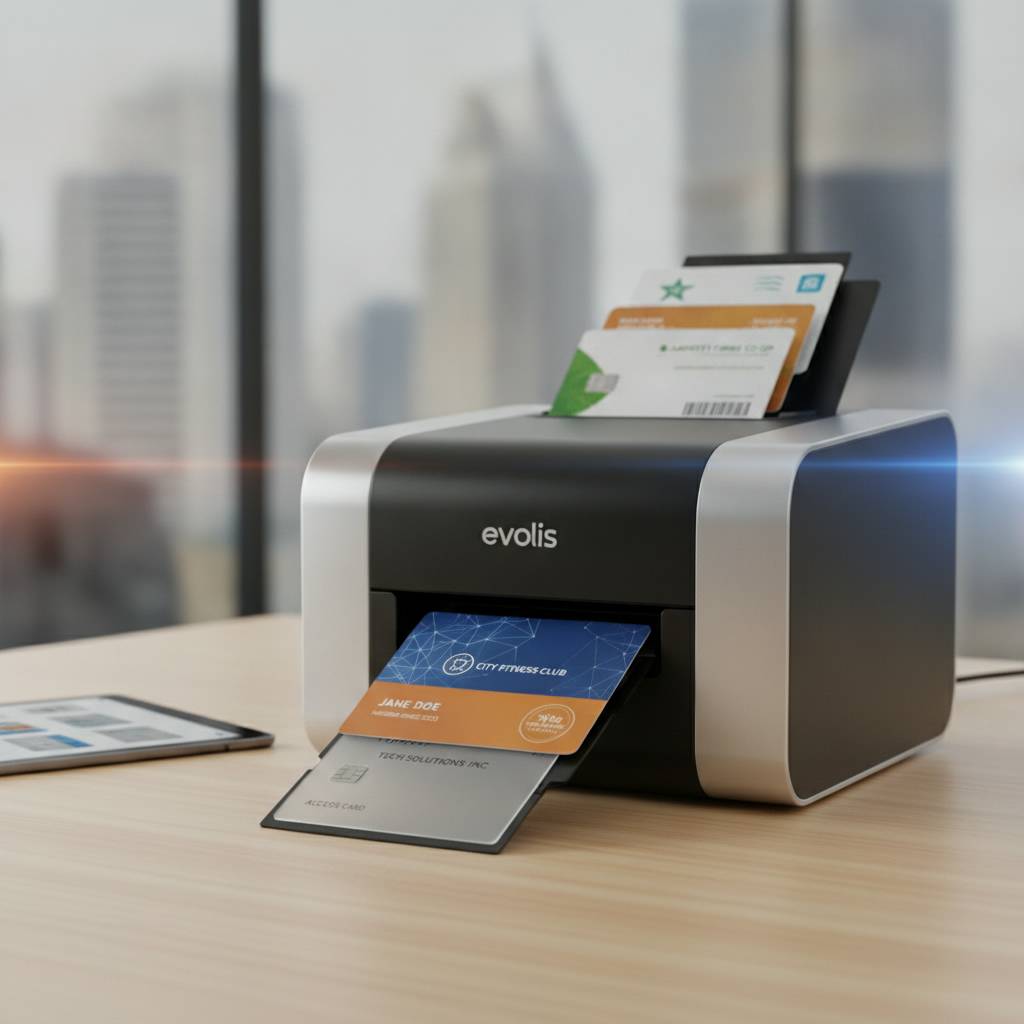 The phrase "membership card" covers a remarkably wide range of applications. A card issued by a regional YMCA carries different data, different design requirements, and potentially different encoding needs than a loyalty card issued by a coffee shop chain or a credential issued by a trade association. Understanding which type of membership program you're running shapes every hardware and supply decision.
What unites all of these applications is the need for a professional, durable, on-brand card that functions reliably in the field. PVC plastic cards deliver on every one of those requirements. They're the standard format for membership credentials precisely because they last, they look professional, and they work with virtually every reader and access system in the market.
Fitness Centers and Gym Membership Cards
Gyms and fitness centers are among the highest-volume membership card issuers in any given city. New members enroll constantly, cards get lost or damaged, and the card often functions as both an ID and an access credential. An in-house printer allows a gym to issue replacement cards at the front desk in under a minute - a massive service improvement over waiting days for a vendor reprint.
Many gym membership cards also require magnetic stripe encoding to integrate with check-in software or access control systems. The Evolis Primacy2 with a magnetic stripe encoding module handles this seamlessly, producing a full-color, dual-sided card with encoded data in a single pass through the printer.
Associations, Clubs, and Professional Membership Organizations
Trade associations, professional societies, alumni organizations, and private clubs issue membership cards that communicate belonging and status. The card design matters here - it's often as much about brand representation as functional use. Higher-quality output from mid-range and premium printers elevates the perceived value of the membership credential itself.
For associations with large, geographically distributed membership bases, regional offices can each maintain a printer and ribbon stock, enabling localized card production without centralized bottlenecks. Each location prints exactly what it needs, when it needs it, without waiting on a central fulfillment system.
Loyalty Programs and Retail Membership Cards
Retail loyalty cards are among the most common plastic card applications in the United States. Coffee shops, bookstores, specialty retailers, and regional chains all issue branded membership and loyalty cards to drive repeat business and customer retention. Producing these cards in-house gives retailers the flexibility to update designs seasonally, adjust encoding data as systems change, and issue replacement cards at the point of sale without delay.
The economics of in-house loyalty card printing are compelling for mid-size retailers. Once the printer and ribbon stock are in place, per-card costs are low, production is immediate, and the program can scale up or down based on actual demand rather than minimum order quantities from an outside supplier.
Frequently Asked Questions About Membership Card Printers
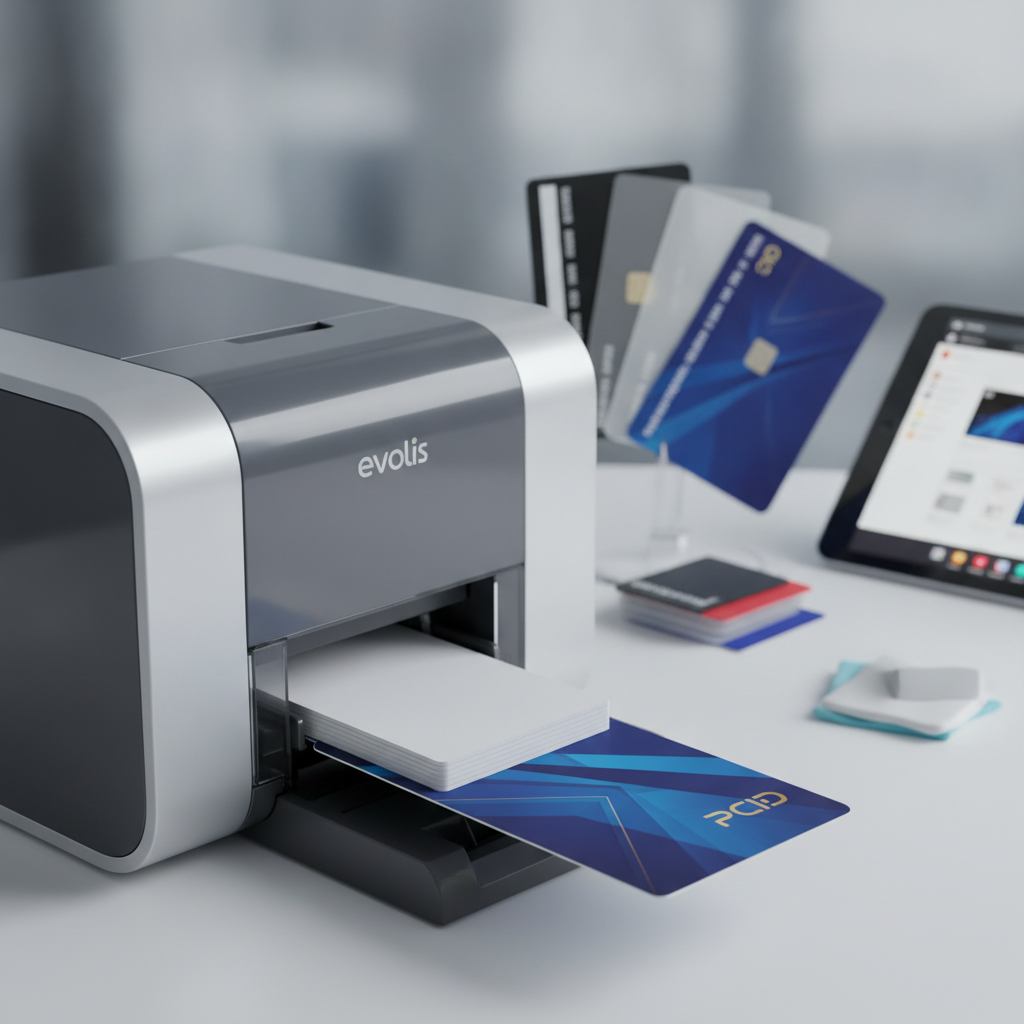 Customers evaluating plastic card printers for the first time usually arrive with similar questions. The answers below address the most common points of confusion and help frame the purchasing decision more clearly. If your specific question isn't covered here, CPE is available to walk through the details directly.
How Many Cards Can a Desktop Printer Produce Per Day?
Production rates vary by model and ribbon type. Entry-level printers like the Badgy200 produce cards at slower speeds appropriate for their volume tier - fine for organizations printing dozens of cards per day. Mid-range models like the Zenius and Primacy2 produce cards faster, with the Primacy2 capable of handling several hundred cards in a standard business day with dual-sided output enabled.
Matching daily production capacity to actual program needs is essential. Running a mid-volume printer at near-maximum capacity daily will shorten its service life. Planning for a printer rated above your typical daily needs provides headroom for busy periods and extends the hardware's useful lifespan substantially.
Do I Need a Special Computer or Software to Run a Card Printer?
Most card printers in the lineup connect via USB and are compatible with standard Windows operating systems. Many models include basic card design software that handles photo import, text placement, and barcode generation without requiring additional purchases. More advanced card management software is available for organizations needing database integration or batch printing capabilities.
The learning curve for basic card printing is genuinely low. Most organizations are producing professional-quality membership cards within an hour of setup. For programs with more complex requirements - dual database integration, networked printing across multiple workstations - Plastic Card ID can help identify the right software solution to complement the chosen printer hardware.
How Often Should I Replace Printer Ribbons?
Ribbon yield varies by panel type and card design complexity. A standard YMCKO ribbon typically produces a defined number of cards per ribbon cartridge - specifications vary by model and ribbon type, and product listings provide yield data. Organizations should maintain a buffer supply of at least one to two spare ribbon cartridges to avoid production interruptions when a ribbon runs out unexpectedly.
Monochrome ribbons yield significantly more prints per cartridge than YMCKO color ribbons, which is why programs printing text-only cards often see lower ongoing supply costs. Tracking ribbon usage over time helps organizations forecast reorder timing and avoid last-minute supply shortages during high-volume membership enrollment periods. Reach out at 800.835.7919 for ribbon compatibility guidance specific to your printer model.
Buyer's Tips: Getting the Most From Your Card Printing Investment
Hardware selection matters, but so does how you structure the program around it. Organizations that get the most from their membership card printing investment tend to follow a handful of practical principles that apply regardless of which printer model they choose. These aren't complicated - they're just easy to overlook when you're focused on the hardware itself.
Plan for Growth Before You Buy
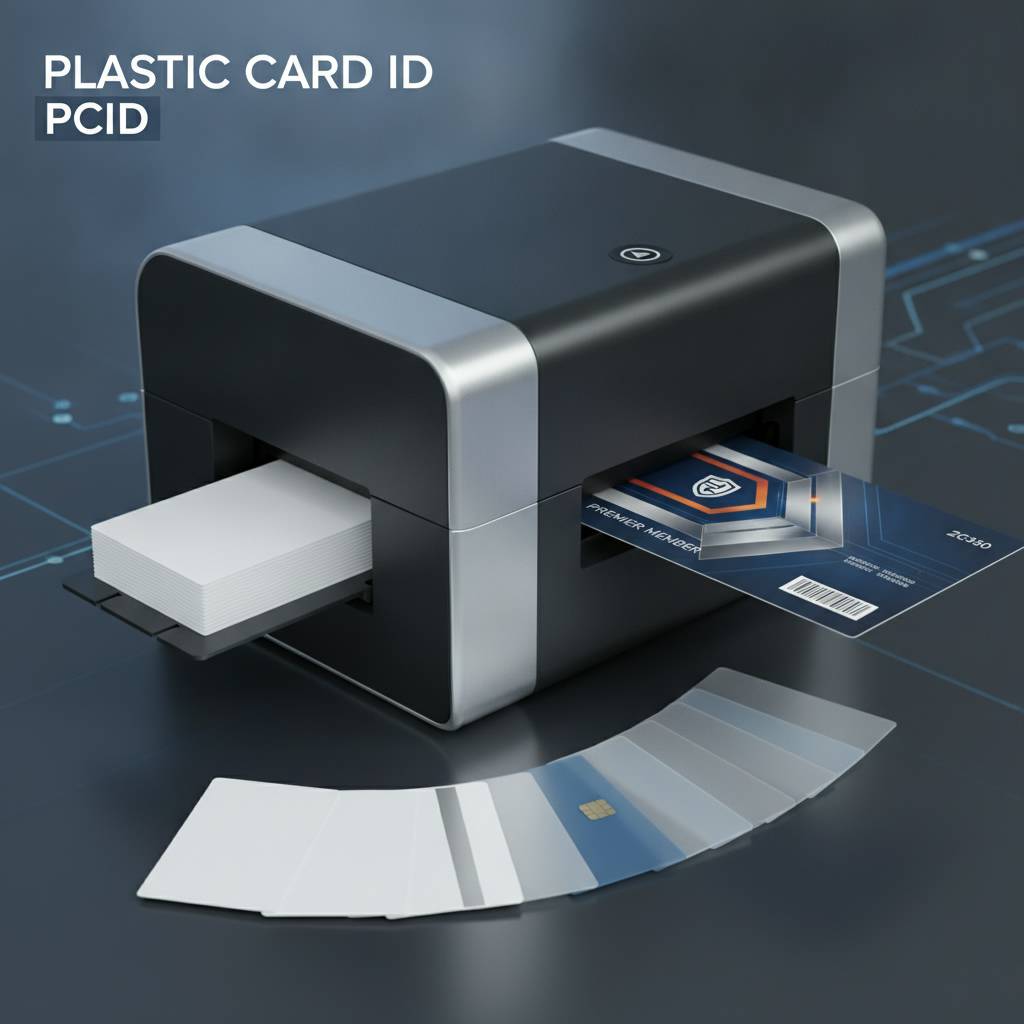
The most common regret in card printer purchasing is buying for current volume only to outgrow the hardware within a year or two. If your membership program is actively growing, build in headroom at the outset. Stepping up one model tier during initial purchase costs less over time than replacing a printer that's been maxed out for twelve months straight.
Consider also which features you might need in eighteen to twenty-four months. If magnetic stripe encoding is a possibility as your program integrates with access control systems, buying a printer with an available encoding module upgrade path is smarter than purchasing one without it. Modularity protects your investment as requirements evolve.
Stock Supplies Before You Need Them
Running out of ribbon during a membership enrollment drive is exactly the kind of operational failure that erodes confidence in an in-house printing program. Maintaining a standing supply of ribbons and cleaning kits is basic operational discipline for any serious card program. It costs nothing extra to keep a small buffer stock on hand, and it prevents costly disruptions.
- Keep a minimum of two spare ribbon cartridges in stock at all times
- Schedule printer cleaning every 500 cards or per manufacturer specification
- Inspect card stock regularly for contamination that could damage the print head
- Store ribbon cartridges away from heat, humidity, and direct light
- Track monthly usage to forecast reorder timing accurately
Design Cards With Function in Mind First
Membership cards need to work - in readers, in wallets, in the hands of members checking in at the front desk. Design choices that prioritize aesthetics over function can undermine a card program's effectiveness. Text too small to read easily, encoding tracks positioned incorrectly, and glossy surfaces that interfere with signature panels are all avoidable mistakes during the design phase.
Get the functional elements right first: encoding placement, barcode position, essential member data, and logo placement within printable boundaries. Once those are locked in, the visual design layer can be built around them without compromising card performance in actual use. CPE can provide guidance on card design best practices for specific printer models.
Connect With Plastic Card ID for Your Membership Card Printing Needs
 The right plastic card printer for membership cards doesn't just solve an immediate printing need - it builds the operational foundation for a membership program that scales, adapts, and performs reliably over years of use. Every printer in the Plastic Card ID lineup is a professional-grade tool designed for real-world production environments, not occasional hobby use. The difference shows in output quality, hardware longevity, and the confidence that comes from a supply chain that doesn't let you down.
With over 25 years of experience, a catalog that spans entry-level desktop units to high-throughput industrial systems, and a supply inventory that covers every consumable and upgrade a card program needs, Plastic Card ID is the partner that 100,000-plus customers across the country have relied on to keep their card programs running. That depth of experience translates directly into better guidance, better product matching, and better outcomes for every new customer who calls.
Ready to Print Membership Cards In-House?
The transition from outsourcing membership card production to printing in-house is simpler than most organizations expect. The right hardware, the right supplies, and a reliable supplier make the difference between a smooth launch and a frustrating start. Plastic Card ID handles all three - and the expertise behind the product catalog means you're getting guidance from people who understand card printing programs at a practical, operational level.
Whether you're starting a brand-new membership card program or upgrading aging hardware that's no longer meeting your production needs, the conversation starts with a single call. 800.835.7919 connects you directly with staff who can ask the right questions, recommend the right printer, and make sure your supply chain is in place before you print your first card.
Call Plastic Card ID today at 800.835.7919 - and get your membership card printing program built on hardware and expertise that won't let you down.
Plastic Card Printer for Loyalty Cards Fast & Reliable
Previous Page